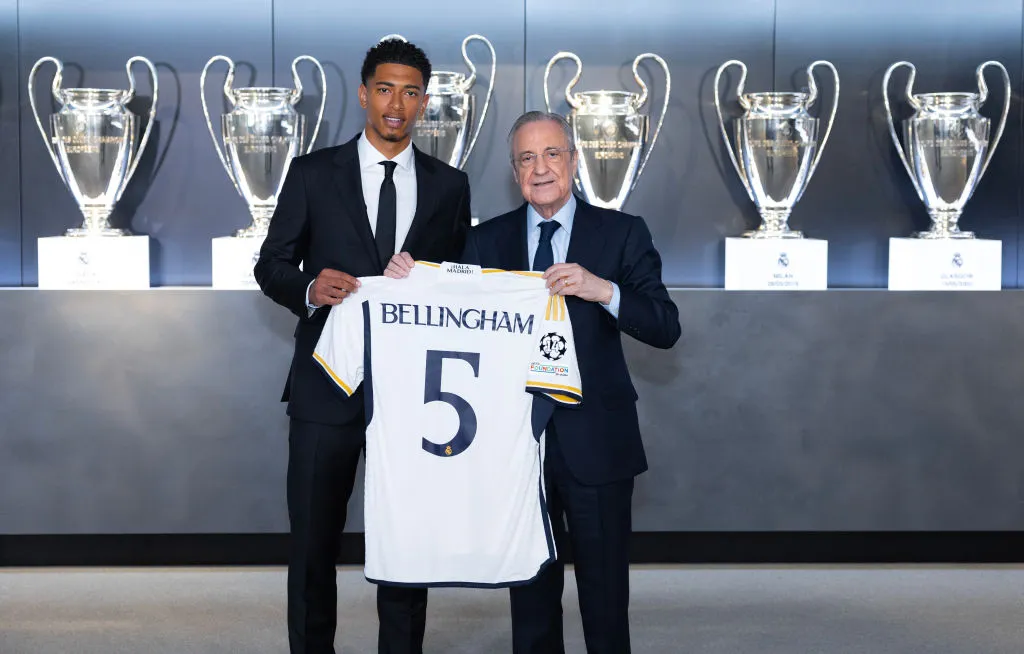
Unlike many of its rivals, who owns Real Madrid isn’t a single billionaire or a state-backed fund; the club is a member-owned “Sociedad Deportiva.” It is collectively owned by its approximately 93,000 socios (members), who pay annual dues and hold voting rights. This structure means the fans effectively control the club’s destiny, electing a president every four years to manage operations, ensuring that the team remains a cultural institution rather than a private asset.
This makes Real Madrid one of the most unique ownership structures in world sport. While clubs like Manchester City are owned by Abu Dhabi’s Sheikh Mansour and PSG by Qatar Sports Investments, Real Madrid belongs to its fans and members – in theory and in legal structure.
Real Madrid vs Other Club Ownership Models
| Club | Owner | Model | Est. Valuation |
|---|---|---|---|
| Real Madrid | ~93,000 member-socios | Member-owned cooperative | $6.6 billion |
| Barcelona | ~144,000 socis | Member-owned cooperative | $5.5 billion |
| Manchester City | Sheikh Mansour (Abu Dhabi) | Private owner – state-linked | $4.9 billion |
| PSG | Qatar Sports Investments | State-owned (Qatar) | $4.2 billion |
| Chelsea | Todd Boehly / Clearlake Capital | Private consortium | $3.1 billion |
| Manchester United | Ratcliffe family (INEOS) + Glazers | Mixed private ownership | $6.0 billion |
| Arsenal | Stan Kroenke (KSE UK) | Private owner | $3.5 billion |
How the Socios Ownership Model Works
- Any adult can apply to become a Real Madrid socio by paying an annual membership fee (approximately €130-€160/year in recent years).
- Socios have the right to vote in presidential elections held every 4 years.
- The elected president manages day-to-day operations and major strategic decisions, including transfers and stadium projects.
- The club’s assets – including the Bernabeu stadium – are collectively owned by the membership.
- No single person ‘owns’ Real Madrid in the way a shareholder owns a company.
The President’s Role: Florentino Pérez
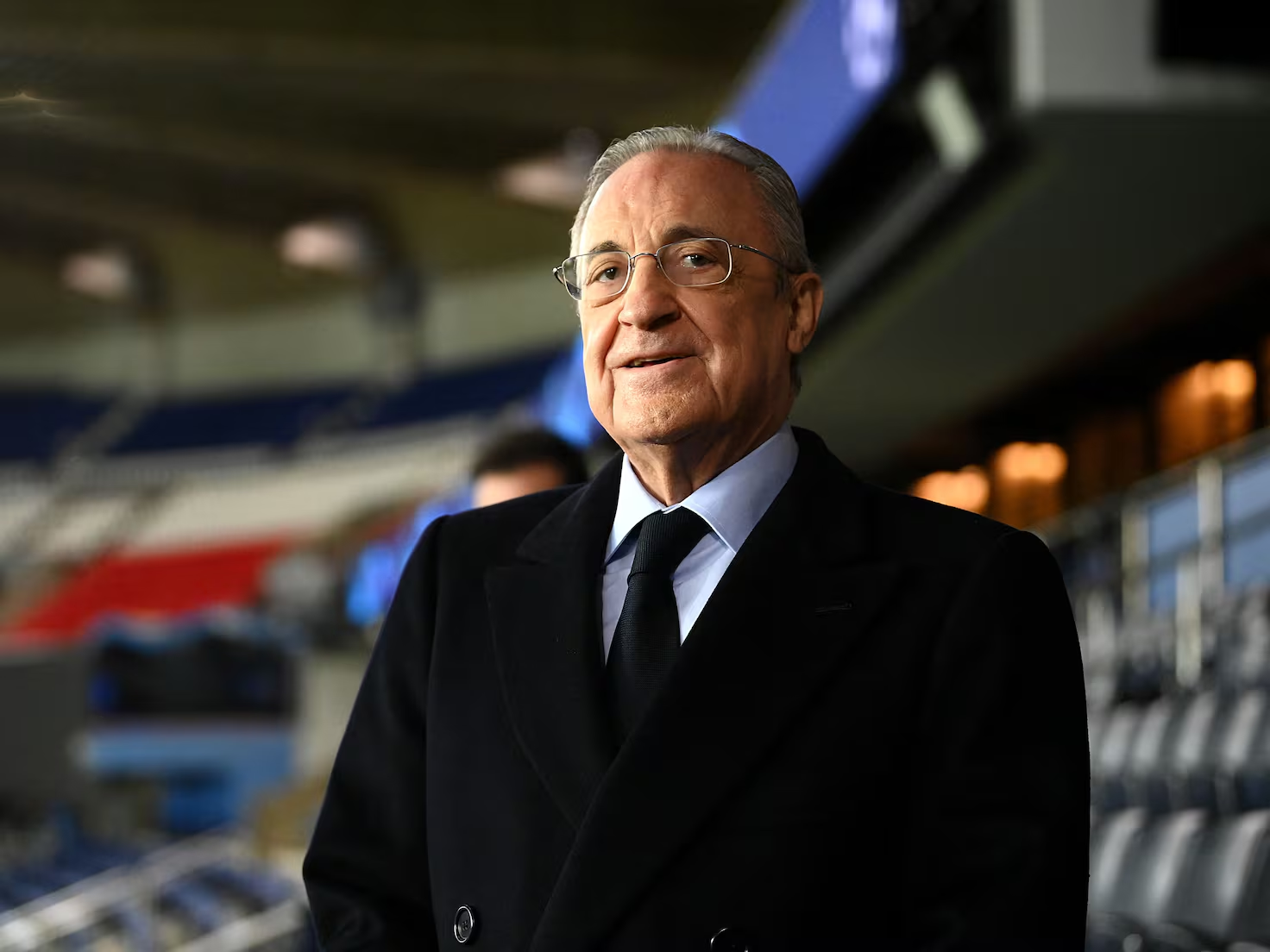
Florentino Pérez has served as Real Madrid’s president for most of the period since 2000 (with a gap from 2006-2009). He is not the ‘owner’ of the club – he is an elected official accountable to the membership. His tenure has seen the Galácticos era (signing Zidane, Ronaldo, Beckham, etc.) and the recent Bernabeu renovation project worth over €1 billion.
Pérez made global headlines in 2021 as a key architect of the proposed European Super League, which collapsed within 48 hours due to massive fan and government opposition.
Real Madrid’s Financial Power
| Metric | Figure | Notes |
|---|---|---|
| Annual Revenue | €831 million (2023-24) | Highest in world football |
| Club Valuation | $6.6 billion | Forbes 2024 estimate |
| Stadium capacity (new Bernabeu) | 81,044 | Renovated 2023-24; now has retractable roof |
| Champions League titles | 15 | More than any other club |
| Socio membership | Voting members who ‘own’ the club |
Why This Ownership Model Matters
- It protects the club from being sold to foreign investors with conflicting interests.
- It creates long-term stability – no billionaire owner can buy the club and relocate it.
- It makes the club genuinely accountable to its fan base in a way privately owned clubs are not.
- Critics argue it can also make reform slow and concentrate too much power in the president’s hands.
Real Madrid’s member-owned model is part of what makes it unique in world sport. In an era of sovereign wealth fund takeovers and private equity deals in football, Real Madrid – like Barcelona and Bayern Munich – represents an older, fan-first model of club ownership that many supporters around the world deeply admire.